Source rhinestone colorful bowknot pen beads for DIY, Gifts, and Office
Explore 30 listings for rhinestone colorful bowknot pen beads suitable for DIY crafts, gift packaging, and office stationery. Compare acrylic, plastic, and ceramic options from Guangdong suppliers to find the right fit for your needs; compare the available evidence and request quotations based on your requirements.
Key considerations
Products List
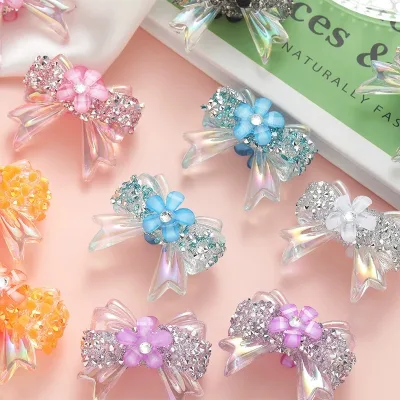
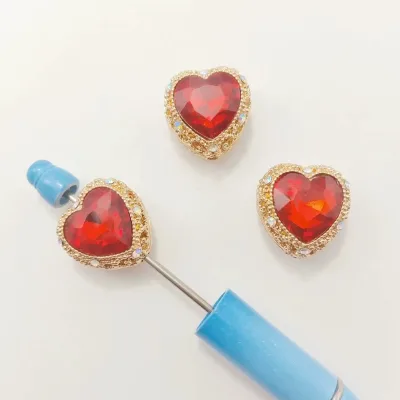
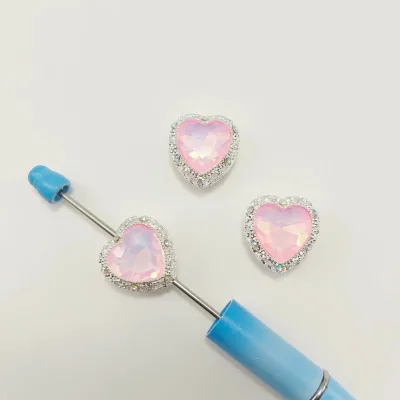
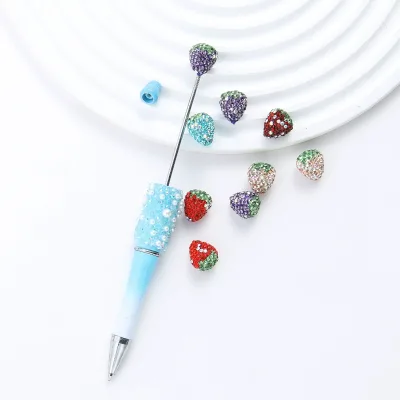






Comprehensive Sourcing Guide
Rhinestone Colorful Bowknot Pen Beads Sourcing Guide
Sourcing decorative pen beads requires careful attention to material composition and aesthetic consistency, particularly when targeting the niche market for customized stationery accessories. Buyers must distinguish between simple plastic components and those featuring intricate designs like bowknots or rhinestone embellishments, as these variations significantly impact both the unit cost and the manufacturing complexity. The observed product landscape includes items labeled as "Pen Beads" with specific model numbers such as 008 and 100, indicating a standardized yet diverse catalog available from manufacturers in Guangdong, China. Understanding these baseline identifiers helps procurement teams filter through the extensive listings to find suppliers capable of producing the specific visual elements required for their brand identity.
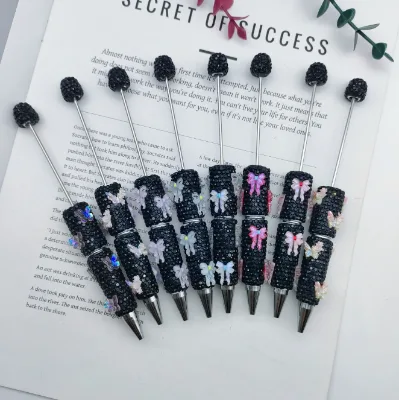
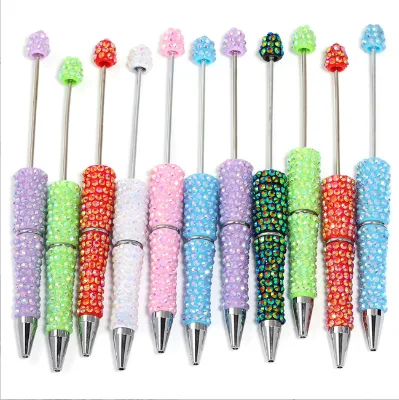
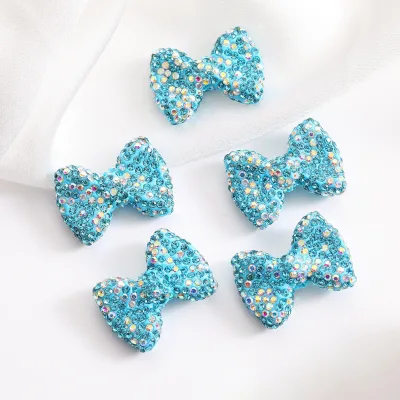
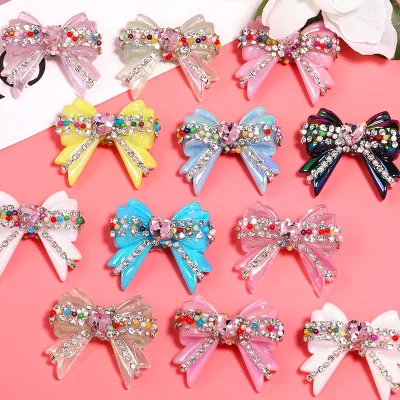
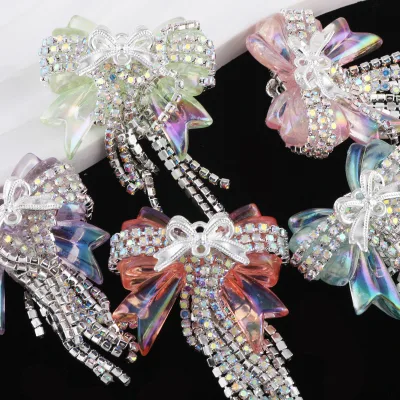
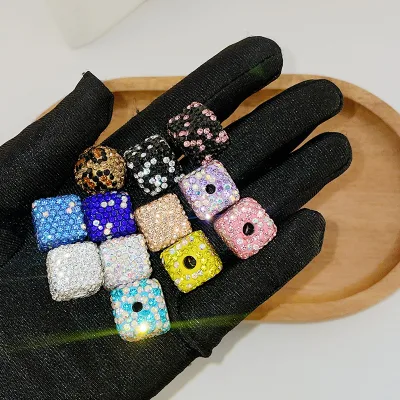
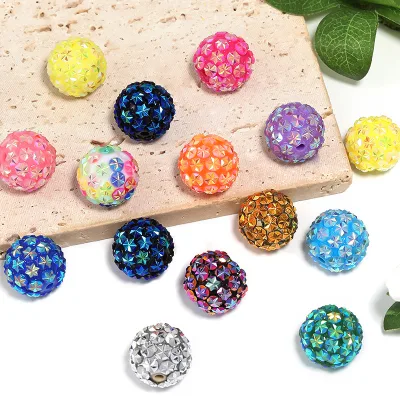
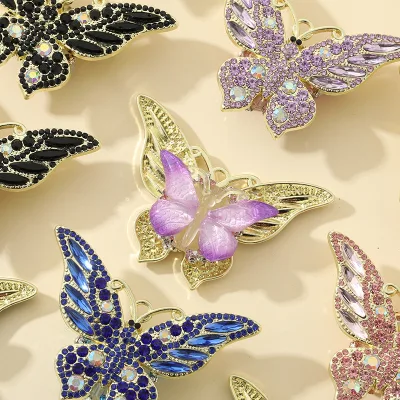
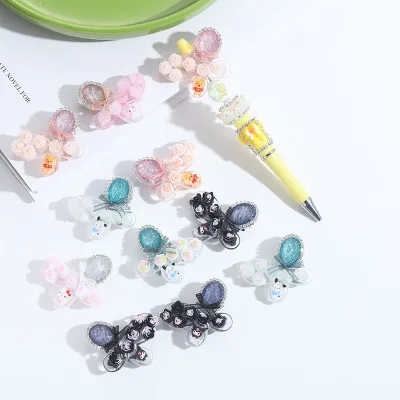
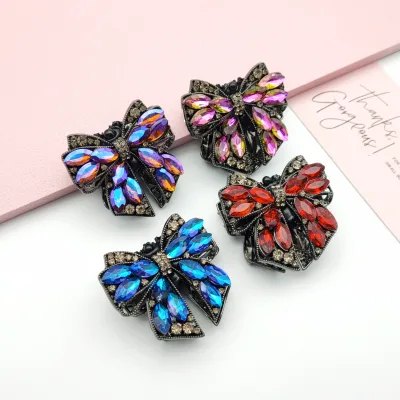
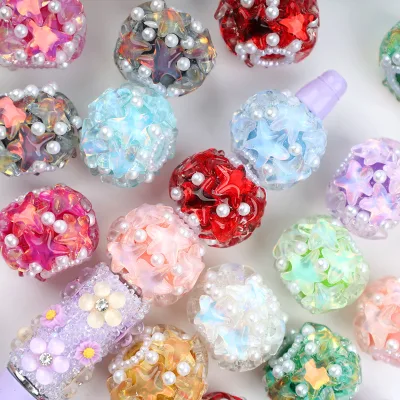
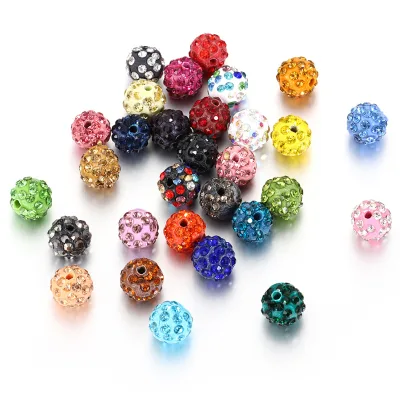
The visual appeal of these beads often relies on a combination of colors and shapes, with observed listings featuring options like white, black, pink, purple, blue, yellow, and orange. Some models are explicitly described with heart shapes or multi-color designs, while others focus on the structural integrity of the bead itself, such as the acrylic, plastic, or lucite materials noted in the data. Buyers should prioritize suppliers who can demonstrate consistency in color matching and shape precision, as these factors are critical for maintaining the premium look of finished pen products. The presence of OEM branding options suggests that many manufacturers are equipped to handle custom orders, allowing buyers to tailor the aesthetic details to their specific target audience without compromising on quality or design fidelity.
Product Scope and Observed Listing Signals
The current market signals indicate a broad range of decorative pen components, with observed prices ranging from $0.03 to $36.12 USD, reflecting significant variation in material quality and design complexity. Minimum order quantities (MOQs) vary widely from 5 to 10,000 units, suggesting that suppliers cater to both small-scale custom projects and large-volume commercial production runs. This disparity in pricing and volume requirements necessitates a clear definition of the buyer’s immediate needs, whether they are looking for prototype samples or bulk inventory for mass-market distribution. The wide price range also implies that buyers must carefully evaluate the value proposition of each listing, considering factors such as material durability, finish quality, and the inclusion of additional features like rhinestones or specific bowknot structures.
Observed product attributes reveal a strong emphasis on customization and variety, with many listings offering multiple color options and design numbers ranging from 1 to 48. Some products are described with specific technical details, such as a single package size of 1x1x1 cm and a gross weight of approximately 0.009 to 0.024 kg, which are crucial for logistics planning and packaging design. The mention of "Opp bag" packing indicates a standard retail-ready packaging solution, while the availability of mixed colors and specific design codes allows for flexible inventory management. Buyers should leverage these observed signals to create a detailed specification sheet that aligns with their operational capabilities, ensuring that the selected supplier can meet both the aesthetic and logistical requirements of the project.
Technical Specifications to Verify
Verifying the technical specifications of pen beads is essential to ensure compatibility with standard pen barrels and to guarantee the durability of the decorative elements. Buyers should confirm the exact dimensions of the beads, such as the observed item diameters of 3.8x3.3 cm or 19 mm, to ensure they fit the intended pen models without causing structural issues. The material composition, whether acrylic, plastic, lucite, ceramic, clay, or glass, must be verified for each order, as these materials have different properties regarding weight, finish, and resistance to wear. Additionally, the presence of rhinestones or other embellishments should be inspected for secure attachment, as loose stones can pose a safety hazard and reduce the perceived quality of the final product.
The manufacturing techniques used, such as stick-on applications or pointback styles, also require careful verification to ensure long-term performance. Buyers should request samples to test the adhesion of any decorative elements and to assess the overall finish quality, including color consistency and surface smoothness. The observed data mentions specific model numbers like "Pen Beads 008" and "Beads for Pens 0015," which can serve as reference points for quality control. It is also important to verify the writing width and body color options if the beads are part of a complete pen assembly, as these factors influence the user experience. By establishing clear technical benchmarks, buyers can minimize the risk of receiving products that do not meet their functional or aesthetic standards.
Compliance and Safety Documentation
Ensuring that pen beads comply with relevant safety standards is a critical step in the procurement process, especially when these components are intended for use in products that may come into contact with children or students. Buyers should request documentation from suppliers to verify that the materials used, such as acrylic, plastic, or ceramic, are free from harmful substances like lead, phthalates, or other toxic chemicals. The observed certificate types, such as "Aigs," should be validated to ensure they are recognized and applicable to the target market. Additionally, buyers should inquire about any specific testing reports that demonstrate compliance with international safety regulations, such as ASTM F963 in the United States or EN71 in Europe, to mitigate legal and reputational risks.
Beyond material safety, buyers should also consider the structural integrity of the beads, particularly those with rhinestones or other small decorative elements that could pose a choking hazard. Suppliers should provide evidence that these elements are securely attached and will not detach under normal use conditions. The observed data mentions "Erasable Or Not: No" and "Novelty: Yes," which may indicate specific usage scenarios that require additional safety considerations. Buyers should also verify that the packaging materials, such as the observed "Opp bag," are safe and do not contain hazardous substances. By prioritizing compliance and safety documentation, buyers can protect their brand reputation and ensure that their products meet the highest standards of consumer safety.
Cost Drivers and Commercial Terms
Understanding the cost drivers associated with rhinestone colorful bowknot pen beads is crucial for effective budgeting and negotiation. The primary factors influencing price include the material type, the complexity of the design, and the volume of the order. For instance, beads made from ceramic or glass may be more expensive than those made from plastic due to higher production costs and material expenses. Similarly, intricate designs featuring rhinestones or specific bowknot shapes may command a premium price due to the additional labor and precision required in their manufacturing. Buyers should also consider the impact of customization options, such as specific color combinations or branding, which can increase the unit cost but may offer greater market differentiation.
Commercial terms, including payment methods, shipping arrangements, and return policies, also play a significant role in the overall cost of procurement. The observed MOQ ranges from 5 to 10,000 units, allowing buyers to negotiate terms that align with their inventory management strategies. Buyers should clarify the lead times for production and delivery, as delays can impact project timelines and customer satisfaction. Additionally, it is important to understand the packaging details, such as the observed "Opp bag" packing, to ensure that the products are protected during transit and ready for retail display. By carefully evaluating these cost drivers and commercial terms, buyers can optimize their procurement strategy and achieve the best possible value for their investment.
Supplier Qualification and Quality Control
Selecting a reliable supplier is paramount to ensuring the consistent quality and timely delivery of rhinestone colorful bowknot pen beads. Buyers should conduct thorough due diligence on potential suppliers, verifying their business licenses, production capabilities, and past performance records. The observed data indicates that many suppliers are located in Guangdong, China, a region known for its robust manufacturing infrastructure and expertise in producing decorative accessories. Buyers should request references or case studies from previous clients to assess the supplier’s reliability and commitment to quality. Additionally, it is advisable to visit the supplier’s facility, if possible, to inspect their production processes and quality control measures firsthand.
Implementing a robust quality control process is essential to maintain product standards and minimize defects. Buyers should establish clear quality criteria, including visual inspection for color consistency, shape accuracy, and secure attachment of decorative elements. Regular audits and inspections during production can help identify and address issues early, reducing the risk of receiving substandard products. The observed data mentions specific model numbers and design codes, which can be used as benchmarks for quality verification. Buyers should also consider implementing a sampling process, where a random selection of products is tested for durability and performance before full-scale production begins. By prioritizing supplier qualification and quality control, buyers can build a strong foundation for a successful and sustainable procurement relationship.
Long-Term Procurement Checks
Establishing long-term procurement checks is vital for maintaining the quality and consistency of rhinestone colorful bowknot pen beads over time. Buyers should implement a periodic review process to assess supplier performance, including metrics such as on-time delivery, product quality, and responsiveness to issues. Regular communication with suppliers can help identify potential problems early and foster a collaborative relationship that benefits both parties. Buyers should also stay informed about industry trends and technological advancements that may impact the production or design of pen beads, allowing them to adapt their procurement strategy accordingly. The observed data mentions "Customization: Available," indicating that suppliers are open to innovation, which buyers can leverage to keep their product offerings fresh and competitive.
Additionally, buyers should monitor market conditions and competitor activities to ensure that their procurement strategy remains aligned with market demands. This includes tracking changes in material costs, labor rates, and regulatory requirements that may affect the production of pen beads. Buyers should also consider diversifying their supplier base to mitigate risks associated with single-source dependency. By implementing these long-term procurement checks, buyers can ensure that their supply chain remains resilient and responsive to changing market conditions. This proactive approach not only helps maintain product quality but also supports the long-term growth and success of the buyer’s business in the competitive stationery market.
FAQs
What materials are used for these pen beads?
The pen beads are crafted from acrylic, plastic, lucite, ceramic, clay, porcelain, or glass. These materials ensure durability and a smooth finish for various pen customization projects. Buyers can select based on their specific aesthetic or functional requirements for the final product.
Which shapes are available for the pen beads?
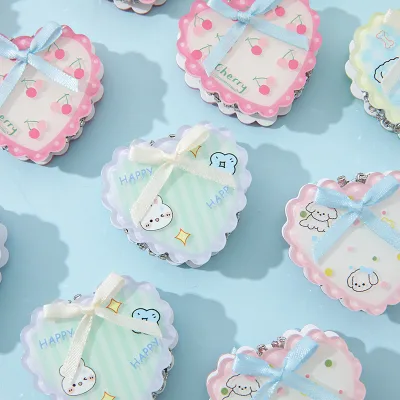
Available shapes include bow and heart designs to suit different styling preferences. These forms are specifically engineered for pen bead applications, offering a decorative element that enhances the visual appeal of the writing instrument while maintaining structural integrity for daily use.
Can I customize the color of the pen beads?
Yes, customization is available for the pen beads in various colors like white, black, pink, purple, blue, yellow, orange, and mixed options. Buyers can choose from a wide palette to match their brand identity or specific design needs for the final pen assembly.
What is the minimum order quantity for these beads?
The minimum order quantity ranges from 5 to 10,000 units depending on the specific supplier and product model. This flexible range allows both small-scale buyers and large distributors to source the pen beads efficiently without being forced into excessive inventory commitments.
Where are these pen beads manufactured?
These pen beads are manufactured in Guangdong, China, and Shenzhen. These locations are known for their robust manufacturing capabilities in the region, ensuring consistent quality and efficient production timelines for international buyers seeking reliable sourcing partners for their stationery needs.
How are the pen beads packaged for shipping?
The pen beads are typically packed in OPP bags for individual items or bulk batches. This packaging method protects the beads from dust and damage during transit while keeping them organized. The single package size is compact, measuring 1x1x1 cm for efficient storage and handling.
What certifications do the suppliers hold?
Suppliers for these pen beads hold Aigs certification, indicating adherence to specific quality and safety standards. This certification helps buyers verify the reliability of the manufacturing process and ensures that the products meet the necessary requirements for commercial distribution and consumer safety.